
Introduction
If you have been found guilty of a summary offense—like a traffic ticket, minor criminal charge, or other small conviction—in Pennsylvania, you have the right to challenge that decision through a summary appeal. This article is for Pennsylvania drivers, CDL holders, and anyone who has received a summary conviction in the state. Knowing how the summary appeal process works is important because it can affect your driving record, PennDOT license status, job (especially for commercial drivers), and even your criminal record.
A summary offense is a minor criminal charge or traffic violation, such as speeding, running a stop sign, or disorderly conduct. Minor Courts handle these summary offenses and small claims, while the Courts of Common Pleas are the main trial courts in Pennsylvania. If you are found guilty or plead guilty at the Magisterial District Court (MDJ), you can file a summary appeal in Pennsylvania to get a new hearing in the Court of Common Pleas. This article explains how to file a summary appeal, what forms and deadlines you need to meet, and why acting quickly is important to protect your rights.
Key Takeaways
- You must file a Pennsylvania summary appeal with the Clerk of Courts within 30 days of the Magisterial District Judge’s decision or your guilty plea. This includes weekends and holidays, so every day counts.
- The 30-day deadline to appeal a summary conviction is strict; if you miss it, your appeal will usually be dismissed.
- Traffic and CDL-related summary convictions can lead to PennDOT license suspensions or disqualifications. Filing a timely summary appeal might delay or affect these consequences.
- The filing process, appeal form requirements, and fees vary by county (for example, Lancaster County has different rules than Chester or Wyoming County), but the 30-day deadline applies across Pennsylvania.
- The Shelton Firm offers free case reviews for drivers in Lancaster and across Pennsylvania who want to file a summary appeal or need help meeting deadlines.
What Is a Summary Offense and How Does the Appeal Process Work?
A summary offense in Pennsylvania is a minor criminal charge or traffic violation—like speeding tickets, running a red light, careless driving, or disorderly conduct. These cases start in the Magisterial District Courts (MDJ), which are part of the Minor Courts system. The Courts of Common Pleas are the main trial courts and handle appeals from the MDJ.
What Is a Summary Appeal in Pennsylvania?
You can file a Summary Appeal in the Clerk of Courts office within 30 days from the date the Magisterial District Judge makes a decision. This means if you are found guilty of a summary offense or enter a guilty plea at the Magisterial District Court, you can challenge that decision by filing a summary appeal.
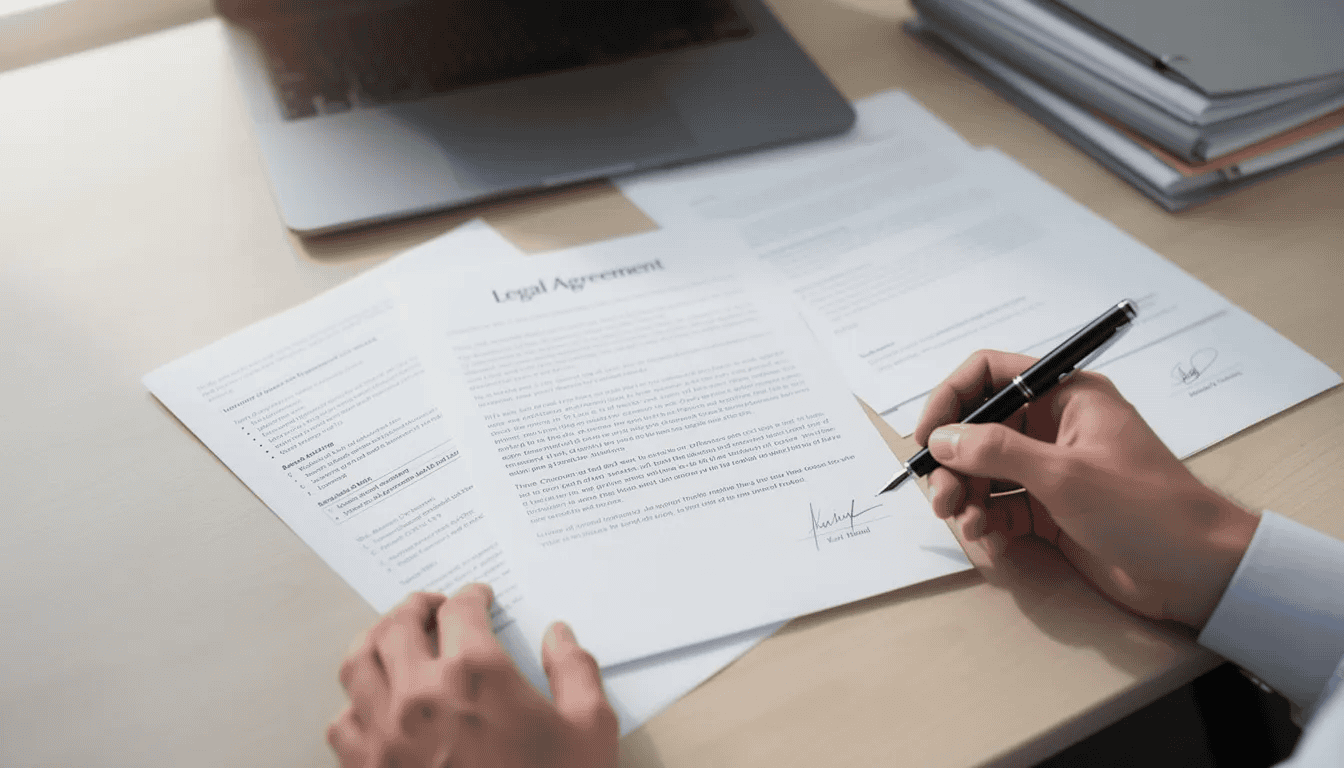
You must file a Notice of Summary Appeal form at the Clerk of Courts office. When you file this appeal, your case moves from the local Magisterial District Court to the county Court of Common Pleas. There, you get a new hearing—called a de novo hearing—before a different judge. The Common Pleas judge looks at the evidence as if the original MDJ hearing never happened.
While The Shelton Firm mainly handles motor vehicle and CDL cases, the same appeal process applies to non-traffic summary offenses too.
Common Summary Offenses That Can Be Appealed
Non-Traffic Offenses | |
|---|---|
Speeding | Disorderly conduct |
Underage drinking | |
Careless driving | Retail theft (minor) |
Failure to yield to a school bus | Public intoxication |
Driving under suspension? Get a free case evaluation to discuss your situation. | Harassment |
CDL violations | Health department code violations |
Next, we’ll talk about the important deadlines for filing your summary appeal in Pennsylvania.

Deadline: 30 Days to File a Summary Appeal
According to Pennsylvania Rules of Criminal Procedure, you have exactly 30 days from the date of your case’s disposition to file a summary appeal. The “disposition date” is the day you were found guilty or entered a guilty plea at the Magisterial District Court.
This 30-day period includes weekends and holidays. The only possible exception is if the last day falls on a court closure—but you should check with your local clerk of courts office to be sure.
How to Calculate Your Deadline
- Find the disposition date on your citation, docket sheet, or paperwork from the Magisterial District Judge.
- Count forward exactly 30 calendar days.
- The last day you can file is that 30th day.
If you file on Day 31 or later, you have missed your chance. Then, you would need to file a nunc pro tunc petition—a formal request asking the court to accept a late appeal. These petitions are not always approved.
Bottom line: Contact The Shelton Firm as soon as possible after your MDJ conviction. This is especially important if you face a PennDOT license suspension or CDL problems. Waiting more than 30 days could mean losing your right to appeal forever.
Next, we’ll explain where and how to file your summary appeal if you are at risk of losing your license in Pennsylvania.
Where and How to File a Summary Appeal in Pennsylvania
You file summary appeals with the Clerk of Courts (Criminal Division) in the county where your Magisterial District Court case was heard. For example, if your MDJ case was in Lancaster County, you file with the Lancaster County Clerk of Courts. But for some filings, like license suspension appeals, you file with the prothonotary’s office. The prothonotary’s office handles some legal paperwork related to court decisions and manages some appeals.
The Clerk of Courts does not check appeal petitions for accuracy, so make sure your paperwork is complete and correct before filing.
Note: For serious criminal cases, you must file a notice of appeal with the PA Superior Court within 30 days of sentencing.
Filing in the Clerk of Courts vs. Prothonotary’s Office
- Clerk of Courts: Handles most summary appeals, especially for criminal and traffic cases.
- Prothonotary’s Office: Handles some civil and administrative appeals, including some license suspension appeals.
Step-by-Step Filing Process
Here’s what to do to file a summary appeal:
Step 1: Get the Right Form
Get the county’s “Notice of Appeal from Summary Criminal Conviction” or summary appeal form from the clerk of courts office, prothonotary’s office, or county website. Some counties keep forms in the law library too.
Step 2: Fill Out the Form Carefully
Complete every required field using information from your citation and MDJ disposition. Submit the proper paperwork with no missing details.
Step 3: Pay the Fee
Bring the summary appeal filing fee (cash, check, or money order depending on county rules) when you file.
Step 4: File on Time
Submit the completed appeal form in person or by mail before your 30-day deadline.
Step 5: Ask for a Time-Stamped Copy
Always get a certified copy with a timestamp for your records. If you face a license suspension, you will need to send this to PennDOT.
Many counties require multiple copies of the appeal form—usually an original plus several copies. Not providing the right number can delay or reject your filing.
What Happens After Filing
After filing, the Clerk of Courts assigns a Court of Common Pleas case number to your case. The Court Administrator’s Office schedules your new hearing, usually within four to eight weeks depending on the county. The court administrator’s office will notify you by mail with your hearing date, time, and courtroom.
Next, we’ll cover the information you need to fill out the summary appeal form.
Information You Need to Complete the Summary Appeal Form
Incomplete or wrong information is a common reason summary appeals get delayed or rejected. Before filling out the form, gather everything you need.
Personal Information
- Your full legal name
- Mailing address
- Date of birth
Case Information
- Citation number(s)
- OTN (Offense Tracking Number)
- Magisterial District Judge’s name and district court name
- Date of the MDJ hearing or disposition
- All charges (Vehicle Code sections) being appealed
- Original docket number from the MDJ case
If you got more than one citation from the same incident and police officer, most counties let you list and appeal all on one form. This avoids extra filings and fees.
Important: Your appeal information must match the MDJ docket exactly. Any mismatch in citation numbers, docket number, or your name can require refiling and paying more fees.
The Shelton Firm helps clients gather and verify this information to file appeals correctly the first time—saving time, money, and stress.
Next, we’ll explain filing fees, cost waivers, and refunds for summary appeals.
Filing Fees, Cost Waivers, and Refunds
Each Pennsylvania county sets its own summary appeal filing fee, and these fees can change. Always check the current fee before filing.
Typical Fees
- Lancaster County: About $49
- Chester County: About $50
- Dauphin County: About $75
- Berks County: About $40
- Lebanon County: About $76
- Cumberland County: About $60
- York County: About $75
The filing fee is usually non-refundable and must be paid to the Clerk of Courts when you file your appeal. Payment methods vary—some counties accept cash, checks, or money orders only.
How to Request a Fee Waiver
If you cannot afford the fee, you can file an in forma pauperis petition (also called IFP) to ask the court to waive it because of financial hardship.
An IFP petition requires:
- A completed form with details about your income, expenses, and assets
- A signed statement that the information is true
- Filing the IFP petition with your summary appeal form at the Clerk of Courts
If the court grants your request, the fee will be waived and your appeal processed. If denied, you must pay the fee for your appeal to continue.
What happens to the money I pay or have paid the court?
- If found not guilty: Counties may refund money you paid to the MDJ (fines and collateral), but usually not the county appeal filing fee.
- If found guilty on appeal: Additional court costs from the Court of Common Pleas may apply. Not paying Vehicle Code-related costs can cause PennDOT license suspensions.
Money paid in the original MDJ case may count toward your new sentence if you remain guilty after appeal.
Next, we’ll look at how summary appeals affect traffic, CDL violations, and PennDOT license suspensions.
Traffic, CDL Violations, and PennDOT License Suspensions
Many summary appeals in Pennsylvania involve traffic and CDL offenses that can cause PennDOT points, suspensions, or disqualifications. For professional drivers, the stakes are high.
How PennDOT Suspensions Work
For some traffic convictions, PennDOT sends a separate notice of suspension, revocation, or CDL disqualification. This notice comes from PennDOT, not the court.
When you file a summary appeal, you can ask PennDOT to delay (or “stay”) the suspension until the Court of Common Pleas decides your case.
Notifying PennDOT of Your Appeal
To request a stay, you usually must send a certified copy of your time-stamped summary appeal to:
Pennsylvania Department of Transportation
Correspondence Unit
P.O. Box 68618
Harrisburg, PA 17106
Follow any instructions on your suspension notice carefully.
Outcomes That Affect Your License
- If found not guilty or your citation is reduced to a non-suspension offense, PennDOT may cancel or shorten the suspension.
- Winning your appeal can prevent points from being added to your driving record.
- If your suspension is re-imposed after an unsuccessful appeal, more penalties may apply.
CDL Drivers Face Higher Risks
Even a “minor” traffic conviction can cause serious CDL disqualification under federal and state rules. One speeding ticket in a commercial vehicle could mean:
- Points on your CDL
- Mandatory disqualification periods
- Losing your job or trouble finding work
The Shelton Firm helps CDL drivers protect their records and jobs when a summary appeal is possible. Waiting too long can limit your options.
Next, we’ll explain what to do if you missed the 30-day deadline for filing your summary appeal.

Nunc Pro Tunc: Late Summary Appeals After the 30-Day Deadline
“Nunc pro tunc” means “now for then.” It is a request asking the court to accept a late summary appeal after the 30-day deadline has passed.
How to File a Late Appeal Petition
To ask for nunc pro tunc relief, you must:
- File a “Petition for Leave to File Summary Appeal Nunc Pro Tunc” with the Clerk of Courts.
- Include a statement explaining why you missed the deadline.
- Provide any supporting documents.
Valid Reasons for Late Filing
Courts usually approve nunc pro tunc petitions only if the delay was not your fault. Examples include:
- You never got notice of the MDJ decision.
- A serious medical emergency prevented you from filing on time.
- A clerical error (not your fault) caused the delay.
What Happens Next
The court will:
- Assign a judge to review your petition.
- Schedule a hearing where you or your attorney explain the situation.
- Decide whether to allow your late appeal. If approved, your appeal proceeds; if denied, the original conviction and costs stay in place.
Important: Forgetting or misunderstanding the law usually isn’t enough. Courts take the 30-day deadline very seriously.
If you missed your deadline, contact The Shelton Firm right away. An attorney can help decide if a nunc pro tunc petition is possible, especially in serious cases like DUIs or CDL issues.
Next, we’ll explain what happens after you file a summary appeal.

What Happens After You File a Summary Appeal?
After you file your appeal, several steps happen before your new hearing.
Typical Timeline and Process
Stage | What Happens | Timeframe |
|---|---|---|
Filing | Clerk of Courts assigns a Common Pleas case number | Same day |
Service | Copies sent to MDJ, District Attorney, Court Administrator | Within a few weeks |
Scheduling | Court Administrator sets hearing date | 4-8 weeks after filing |
Notice | You get mailed notice with date, time, and courtroom | Before hearing |
Hearing | New trial in Court of Common Pleas | As scheduled |
The De Novo Hearing
Your summary appeal hearing in the Court of Common Pleas is a fresh start:
- The judge hears all evidence as if the MDJ hearing never happened.
- The District Attorney may call the police officer and other witnesses.
- You or your lawyer can question witnesses, present evidence, and raise legal points not covered before.
Possible Outcomes
- You may be found not guilty on some or all charges.
- You may be found guilty as charged.
- You may be found guilty of a lesser offense (important for PennDOT and CDL).
- The case may be dismissed if the prosecution cannot proceed.
Don’t Miss Your Hearing
If you don’t show up, the judge may dismiss your appeal and reinstate the MDJ conviction and sentence. Keep your mailing address up to date to get all notices.
Next, we’ll explain why working with The Shelton Firm can help with your summary appeal.
Why Work with The Shelton Firm on a Pennsylvania Summary Appeal?
The Shelton Firm is a law firm in Lancaster, Pennsylvania, specializing in motor vehicle law, including summary appeals for traffic tickets, CDL violations, and PennDOT issues. Pennsylvania’s appeals process reviews lower court decisions for legal errors.
Decisions from the Courts of Common Pleas can be appealed to the Superior Court or Commonwealth Court.
What Makes The Shelton Firm Different
- Local experience: They handle summary appeals in Lancaster County and across Pennsylvania, including speeding, school bus violations, driving under suspension, and reckless driving.
- Procedural knowledge: They know local Clerk of Courts procedures, filing quirks, and deadlines specific to each county.
- PennDOT expertise: They understand how your appeal affects PennDOT’s point system and suspensions—especially important for CDL drivers.
Real Results for Pennsylvania Drivers
For example, a Lancaster County CDL driver faced a speeding ticket that would have caused a disqualification. By filing a timely summary appeal and presenting a strong case, the driver kept his commercial driving privileges.
Whether your summary offense is traffic or non-traffic, having experienced help can make the difference between keeping your license or losing it.
Ready to protect your driving record? Contact The Shelton Firm for a free case review before your 30-day deadline. You can call or visit their website to schedule a consultation.
FAQ: Pennsylvania Summary Appeals
What are the steps and requirements for filing a summary appeal in Pennsylvania?
- File the Notice of Appeal: File a Notice of Summary Appeal form at the Clerk of Courts office within 30 days of the Magisterial District Judge’s decision or guilty plea. This deadline is strict and includes weekends and holidays.
- Pay the Non-Refundable Filing Fee: Pay a non-refundable fee when filing. The amount varies by county.
- Fee Waiver: If you can’t afford the fee, file an In Forma Pauperis (IFP) petition with your appeal. If approved, the fee is waived; if denied, you must pay.
- Late Appeals: If more than 30 days have passed, file a Petition for Leave to File Summary Appeal Nunc Pro Tunc explaining the delay. The court decides if it accepts the late appeal.
- Appellate Review: The appellate court reviews the lower court’s record for legal mistakes. It does not retry the case or hear new witnesses.
- Further Appeals: Decisions from the Courts of Common Pleas can be appealed to the Superior Court or Commonwealth Court. Serious criminal cases require filing a notice of appeal with the PA Superior Court within 30 days of sentencing.
- Transcripts and Fees: The appellant must order and pay for trial transcripts to transfer the record to the appellate court. Additional fees apply.
- Where to File: File the Notice of Appeal in the trial court (Clerk of Courts) where the case was decided. Missing the 30-day deadline usually invalidates the appeal.
How long does a summary appeal take in Pennsylvania?
Most counties schedule summary appeal hearings within 4 to 8 weeks after filing. Busier counties or complex cases may take longer. The full process from MDJ conviction to final Common Pleas decision often takes 2 to 3 months or more. If you have PennDOT issues like a suspension, talk to The Shelton Firm to coordinate timing and stay requests.
Can I change my guilty plea to not guilty with a summary appeal?
Often, yes. If you pled guilty to a summary offense at the MDJ, you can still file an appeal within 30 days to get a new hearing. The appeal does not erase your plea but lets you contest the charge before a Common Pleas judge. This is important if you pled guilty to avoid court but later found out about PennDOT or CDL consequences. Consult The Shelton Firm before filing to understand your options.
Do I have to appear in person for my summary appeal hearing?
In most counties, yes—you must appear in person for the de novo hearing unless the judge allows remote or attorney-only appearances. Missing your hearing usually causes dismissal of your appeal and reinstatement of the MDJ conviction. The Shelton Firm can advise you about appearance rules in your county.
Will a summary appeal stop my Pennsylvania license suspension?
Filing a summary appeal does not automatically stop all PennDOT suspensions. But for many traffic cases, you can file an appeal and ask PennDOT to delay the suspension until the Court of Common Pleas decides. This usually requires sending a certified, time-stamped copy of your appeal to PennDOT’s Correspondence Unit in Harrisburg. Follow any instructions on your suspension notice carefully. CDL holders should consult The Shelton Firm about timing to avoid unnecessary suspensions.
Can I handle a summary appeal myself without a lawyer?
Pennsylvania law lets you file summary appeals on your own. But the process has strict deadlines, exact paperwork, and courtroom rules. Mistakes—like wrong citation numbers, missing the 30-day deadline, or not raising key legal points—can hurt your case and your PennDOT record. Even if you want to try alone, get a free review from The Shelton Firm to understand the risks and benefits before deciding.