
Picture this: You’re driving down the highway, humming to your favorite tune, when suddenly you see flashing lights in your rearview mirror. If you’re wondering how to beat a speeding ticket, you’re not alone. This guide is for drivers who have received a speeding ticket and want to contest it. Understanding your options can help you avoid fines, points, and increased insurance rates. In most states, you can contest a traffic ticket by appearing in traffic court or by mail, but a court appearance may be required if you wish to challenge the ticket in person. However, in Pennsylvania you or your attorney must appear in traffic court to contest the ticket. Contesting a speeding ticket may involve additional court costs if found guilty. This comprehensive guide will walk you through the steps to successfully fight a speeding ticket and potentially save you from those dreaded consequences.
Step-by-Step Summary: How to Beat a Speeding Ticket
Here’s a quick overview of the main actions you should take to contest a speeding ticket:
- Review your ticket for errors (e.g., incorrect location, vehicle description, or time).
- Gather evidence (photos, dashcam footage, witness statements).
- Request discovery (obtain officer’s notes, calibration records, and any video evidence).
- Challenge equipment accuracy/calibration (demand proof of recent calibration and maintenance).
- Consider legal representation (consult or hire a traffic ticket attorney).
- Prepare for your court appearance (organize evidence, dress professionally, know your arguments).
- Negotiate if dismissal is not possible (seek reduced charges or traffic school to avoid points).
Understanding the Consequences of a Speeding Ticket

Understanding the potential repercussions is a prerequisite to learning how to fight a speeding ticket. A traffic ticket, especially a speeding ticket, may result in driving record points, increased insurance premiums, and the possibility of license suspension. A speeding ticket can also impact your driver’s license, including the risk of suspension. In some cases, such as reckless driving or DUI, a speeding violation can result in criminal charges, which carry more severe penalties and may require legal representation. Additionally, a speeding ticket can result in a speeding fine, which can be contested in court. Given what’s at stake, mounting a robust defense is imperative.
Repeated or serious violations can result in a suspended license, impacting your ability to drive.
Driving record points
If you’re found guilty of certain traffic violations, such as ignoring a speed limit sign, points are added to your driving record. Accruing driving record points due to alleged violations can result in a variety of adverse outcomes, including:
- Higher insurance premiums
- Suspension of your license
- Suspended license if too many points accumulate
- Jeopardized driving privileges
- Possible penalties for violations
Taking a defensive driving course can help improve driving skills and potentially reduce points on your driving record.
Maintaining a clean driving record is essential to avoid these consequences.
Seeing as a speeding ticket can add three points to your driving record, mastering the art of effectively contesting traffic tickets, such as these, becomes vital. Subjective tickets, which require the officer to provide their personal viewpoint and reach a subjective determination concerning the incident, can be more challenging to fight in court.
Click here to view the Penndot Point System Fact Sheet.
Insurance premium increases
Receiving a speeding ticket, a common traffic offense, can lead to an increase in your automobile insurance rate. On average, insurance premiums rise by approximately 25% after a speeding ticket. Moreover, a speeding ticket typically remains on your insurance record for a minimum of three years.
The gravity of the speeding violation can also influence the insurance premium increase. The more serious the violation, the higher the conceivable rise in insurance premiums.
License suspension risks
The risk of license suspension increases with multiple speeding tickets, meaning your driver’s license could be temporarily taken away and you would lose your ability to drive. Demonstrating that you had insufficient notice of a traffic sign can lead to a judge dismissing the ticket issued against you.
When receiving 6 points for the second time, you’ll have to attend a mandatory departmental hearing. Failure to attend will result in an automatic suspension of the driver’s license for 60 days. Passing a driver’s exam may be mandated, and if it’s not passed, the driver’s license will be suspended until you pass the exam.
Upon successful completion of the exam or serving the suspension, two points will be removed from the record.
Criminal Charges and Fines
In some cases, such as reckless driving or DUI, a speeding violation can result in criminal charges, which carry more severe penalties and may require legal representation. Additionally, a speeding ticket can result in a speeding fine, which can be contested in court.
Pennsylvania-Specific Fines
In Pennsylvania, speeding violations could result in fines over $500.
Now that you understand the potential consequences, let’s look at how to assess the validity of your ticket.
Knowing the Speed Limit
Understanding the speed limit is a fundamental part of building a strong defense against a speeding ticket. The placement and visibility of a speed limit sign can make all the difference when it comes to the validity of your traffic ticket. According to the Manual on Uniform Traffic Control Devices (MUTCD), speed limit signs must be clearly visible and properly positioned to give drivers fair notice of the posted limit. If a speed limit sign is missing, obscured by foliage, damaged, or not placed according to regulations, you may have grounds to challenge your ticket in court.
It’s also important to pay special attention to speed limits in school zones, construction areas, and other designated zones, as these areas often have lower limits and stricter enforcement. Being aware of these specific speed limits can help you avoid common mistakes and strengthen your case if you receive a speeding ticket. Consulting with a traffic ticket attorney can help you navigate the complexities of speed limit laws and ensure that every aspect of your defense is thoroughly examined. With the right knowledge and legal support, you can effectively contest a speeding ticket and protect your driving record.
Now that you know the importance of speed limits, let’s move on to assessing the validity of your speeding ticket.
Assessing the Validity of Your Speeding Ticket
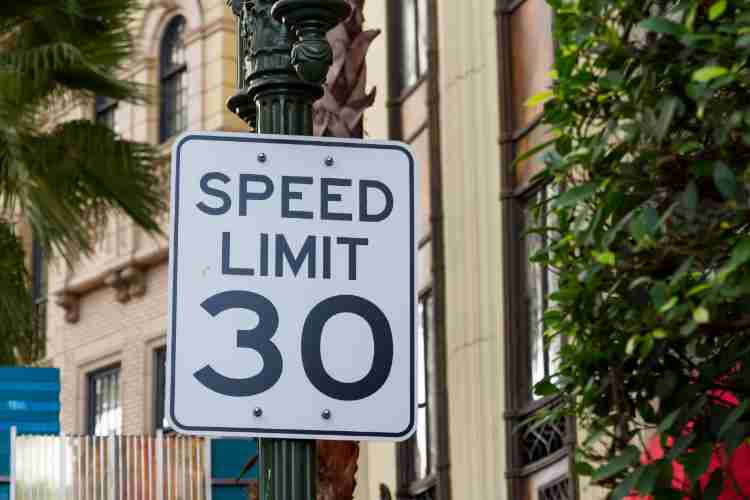
Understanding your state’s specific traffic laws is crucial for contesting a ticket, as each state may have different requirements and procedures. Assessing the validity of your speeding ticket is an effective strategy in contesting it. In this context, ‘validity’ refers to whether the ticket was issued in accordance with the law, including accurate officer observations, proper speed limit signage, and the correct use and calibration of speed measurement equipment. If any of these elements are flawed or do not meet legal standards, you may have grounds to challenge the ticket.
Officer’s observations
Officer’s observations can be subjective and may be challenged. For example:
- The officer may have been distracted while tracking your car.
- The officer may not have monitored you long enough to get an accurate reading.
- Darkness or poor visibility could reduce accuracy.
- Curves in the road may cause variances in monitoring performance.
Challenging the officer’s version or the officer’s version of events, and disputing the officer’s testimony, can strengthen your defense against a speeding ticket. Presenting evidence that undermines the officer’s account, such as calibration records, training history, or witness statements, can influence the court’s decision.
Disputing a subjective ticket, such as demonstrating that your lane change was prudent given the prevailing weather and traffic circumstances, can be an effective way to fight a traffic ticket. A traffic court judge will evaluate the evidence and the officer’s observations during the hearing.
Speed limit signage
Speed limit signage should be clear and discernible. According to the MUTCD (Manual on Uniform Traffic Control Devices), posted speed limit signage in the US must be:
- Situated at or close to the applicable area
- Visible from the road
- At least 18” x 24” in size
- Not blocked by other signs or objects
- Not faded, damaged, or placed in areas with inadequate lighting
- Positioned at angles that make them easy to spot
By law, speed limit signs should be placed as close as possible to the start of the speed limit zone, at the beginning of each speed limit zone.
Equipment accuracy
A valid speeding ticket hinges on the accuracy of the equipment used to determine the vehicle’s speed, which forms the basis for a speeding violation. Police officers often use VASCAR, radar, and LIDAR speed guns to measure a vehicle’s speed. However, it is possible that up to 10-20% of speeding tickets may be issued erroneously due to inaccurate readings.
Calibration refers to the process of adjusting and verifying the accuracy of speed measurement devices to ensure they provide correct readings. Challenging the calibration of speed measurement devices is a possible defense, as improperly calibrated equipment can lead to inaccurate speed readings.
VASCAR is an automation that has been demonstrated to be error-prone and inaccuracies can be contested in court. Building a robust defense involves confirming the accuracy of the speed measuring equipment used.
With a clear understanding of how to assess your ticket’s validity, let’s explore how police measure speed and how you can challenge their methods.
How the Police Time Speed
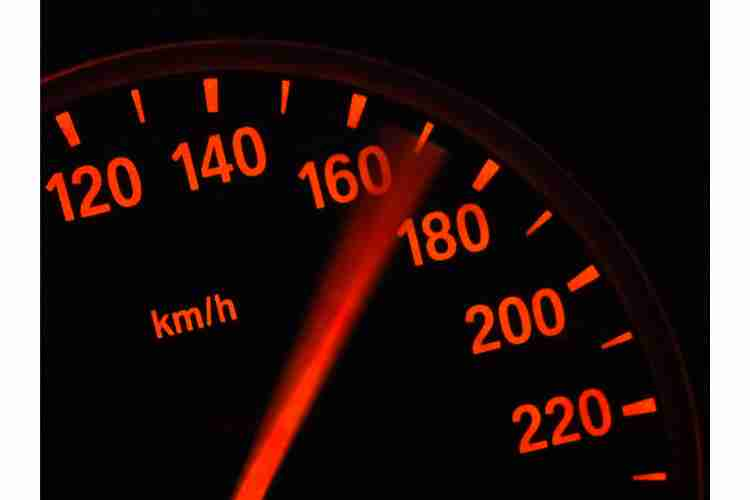
Grasping the methods police use to time speed is fundamental when contesting a speeding ticket. Police use speed timing devices and radar timing devices to measure vehicle speed. It’s important to note that, legally, proving the operation of a motor vehicle is a fundamental element in establishing a speeding violation.
Speed Timing Device
Speed timing devices measure the time it takes for a vehicle to travel a specific distance. Police commonly utilize radar, VASCAR, and speedometers for speed timing. These devices are typically accurate within a small margin of error. However, factors such as the device’s calibration and the conditions in which it is used can influence the accuracy of the recorded speed.
Bear in mind that these devices’ accuracy can vary; hence, if you doubt the precision of a speed measurement, it’s recommended to seek advice from a legal professional.
Radar Timing Device
Radar timing devices use radar signals to determine a vehicle’s speed. They operate by:
- Transmitting a radar signal to a moving vehicle
- Measuring the time it takes for the signal to be reflected back
- Using the change in frequency of the returned signal to calculate the speed of the vehicle
Radar timing devices are generally reliable and accurate for measuring vehicle speed and are widely used by police departments for speed enforcement. However, the accuracy of the device may be affected by factors such as:
- Calibration and proper usage by law enforcement officers
- Transmitter power and antenna size
- Receiver noise
- Target size
- Clutter
- Ratio of transmission to reception power
- Calibration of the equipment
All of these factors can have an impact on the accuracy of radar timing devices.
Now that you know how police measure speed, let’s see how professional legal help can improve your chances of beating a speeding ticket.
How the Shelton Firm Can Help

Legal Services and Representation
The Shelton Firm offers the following services:
- Developing a defense strategy
- Contesting the officer’s testimony
- Submitting evidence
- Asserting necessity or mistake of fact
- Guiding through traffic court proceedings
- Informing of rights
- Negotiating on behalf of the client
Hiring a traffic ticket attorney can provide legal advice and potentially convince a judge to dismiss the ticket. Hiring a traffic lawyer can significantly increase your chances of successfully contesting a speeding ticket, with research indicating success rates around 55%. In most traffic violation cases, your attorney can appear in person on your behalf, so you may not have to attend court yourself.
For more serious violations that may involve criminal charges, such as DUIs or reckless driving, hiring a criminal defense attorney is crucial. Their experience and success rate in criminal defense can make a significant difference in the outcome of your case.
With professional help, your chances of successfully fighting a speeding ticket significantly increase, especially when you fight traffic tickets with expertise on your side.
Preparing Your Defense Strategy
In the fight against a speeding ticket, a well-crafted defense strategy is paramount. The Shelton Firm can help you assess the validity of your speeding ticket, ensuring that the officer’s observations, speed limit signage, and equipment accuracy are all valid.
Understanding the methods police use to measure speed, such as speed timing and radar timing devices, is also a key component of a strong defense strategy. With a solid understanding of these factors, you’ll be better equipped to challenge the speeding ticket and protect your driving record.
Challenging the officer’s testimony
Contesting the officer’s testimony is one approach to dispute a speeding ticket, especially in cases of an alleged violation. Inaccuracies or inconsistencies in the officer’s testimony, such as:
- Contradictions with other evidence
- Inaccurate recollection of events
- Lack of specific details
- Inconsistent statements
- Bias or prejudice
These can be considered and challenged.
For example, in a speeding ticket case, you can strengthen your defense by:
- Disputing the officer’s personal opinion or presentation of evidence
- Cross-examining the officer to undermine their credibility
- Challenging the officer’s observations or conclusions
These strategies can help cast doubt on the officer’s testimony and strengthen your defense.
Presenting your evidence
In the battle against a speeding ticket, presenting your evidence forms a crucial part of the process. Evidence that can be presented includes:
- Tangible proof such as documents and records
- Statements from witnesses
- Evidence challenging the officer’s version of events
- Discovery requests
- Clear and convincing evidence
- Evidence that can be admitted through hearsay, undue prejudice, and impermissible witness testimony
Photo or video evidence can be a key component in defending against a speeding ticket. It can be used to demonstrate that the driver was not exceeding the speed limit or to question the accuracy of the ticketing device. Providing strong evidence to support your defense can significantly improve your chances of successfully fighting a speeding ticket.
Arguing necessity or mistake of fact
In some cases, arguing necessity or mistake of fact might be a viable defense strategy. Necessity, in the context of traffic violations, is when an individual commits a traffic violation in response to an imminent and actual threat or environmental danger. For instance, exceeding the speed limit to avoid a potential multi-car pile-up may be necessary.
Mistake of fact is an error made by drivers regarding the circumstances of the traffic violation. By establishing necessity or mistake of fact, you can justify your actions and potentially have your speeding ticket dismissed.
Navigating Traffic Court
A traffic court hearing, also known as a court date, typically involves the following steps:
- The clerk calling each case
- The officer presenting any relevant evidence
- The driver providing their defense or challenging the evidence
- The judge listening to both sides
- The judge making a decision based on the evidence and arguments presented
If you choose to go to court and request a trial, there is a chance your ticket may be dismissed if the officer fails to appear.
If found guilty, the judge imposes fines, penalties, or other consequences. When found not guilty, the case is dismissed, and no penalties are imposed.
The Shelton Firm can help you navigate traffic court by guiding you through the process, ensuring that your rights are protected, and presenting a strong defense on your behalf. With their expertise, you’ll be better prepared to face the judge and potentially have your speeding ticket dismissed.
When you go to court, remember to dress professionally and maintain a respectful demeanor, as this can positively impact the proceedings.
Knowing your rights
Knowledge of your rights becomes critical when contesting a speeding ticket. During a traffic stop for speeding, you have the right to:
- Remain silent
- Refuse a search of your vehicle without a warrant
- Inquire about the reason for the traffic stop
- Request identification from the police officer
- Request a lawyer if arrested
When disputing a speeding ticket in court, you have the right to:
- Request a hearing
- Plead not guilty
- Dispute the police officer’s personal opinion or presentation of evidence
- Present evidence that the traffic violation was a result of a serious and immediate danger
- Challenge the ticket and argue your case in court
The Shelton Firm can help ensure that your rights are protected throughout the process.
Negotiating on your behalf
The Shelton Firm can negotiate on your behalf to achieve the best possible outcome in your speeding ticket case. Their negotiation services can help:
- Reduce or eliminate the fines and points associated with the ticket
- Present the case to the magistrate or judge
- Demonstrate that the prosecutor is unable to prove guilt beyond a reasonable doubt
Securing the most favorable result in your speeding ticket case can save you money on fines and protect your driving record from accumulating points, which can lead to increased insurance rates and potential license suspension. With professional help from the Shelton Firm, you can confidently fight your speeding ticket and potentially avoid these negative consequences.
Request a free case evaluation Click here to contact The Shelton Firm and request your free consultation.
With a strong legal strategy in place, let’s review some common mistakes to avoid when contesting a speeding ticket.
Avoiding Common Mistakes
When it comes to fighting a speeding ticket, avoiding common mistakes can be the key to a favorable outcome. Many drivers make errors that can hurt their case. Here are some of the most frequent pitfalls and how to avoid them:
- Missing your court date: This can result in an automatic conviction, additional fines, and points added to your driving record.
- Arriving unprepared: Failing to bring supporting evidence, such as photographs, witness statements, or documentation of the speed limit sign, can weaken your defense.
- Not reviewing your ticket: Overlooking errors in the ticket details (location, time, vehicle description) may cause you to miss grounds for dismissal.
- Not understanding the law: Failing to research the specific vehicle code section you’re accused of violating can leave you unprepared to argue your case.
- Not seeking legal advice: Attempting to handle the process alone, especially for more serious violations, can reduce your chances of success.
- Not organizing your evidence: You should have all necessary evidence organized with copies for the court.
- Not dressing professionally: Your appearance and demeanor in court can influence the proceedings.
To avoid these pitfalls:
- Review the details of your traffic ticket carefully.
- Gather all relevant evidence.
- Seek expert legal advice from a traffic ticket attorney.
- Prepare thoroughly and be proactive.
By following these steps, you can increase your chances of a favorable outcome, avoid accumulating points on your driving record, and minimize the long-term impact of a speeding ticket.
Now that you know what mistakes to avoid, let’s summarize the key points for beating a speeding ticket.
Summary
In conclusion, fighting a speeding ticket is a critical step to protect your driving record, avoid increased insurance premiums, and prevent potential license suspension. By understanding the consequences of speeding tickets, assessing the validity of your ticket, knowing how police time speed, and seeking professional help from the Shelton Firm, you can build a strong defense and maximize your chances of successfully disputing your speeding ticket. Don’t let a speeding ticket hold you back – take action and fight for your rights today!
With these strategies in mind, let’s consider some final tips to help you prepare for your case.
Final Considerations
As you prepare to defend yourself against a speeding ticket, keep several important factors in mind:
- Understand the potential consequences: A conviction can lead to increased insurance premiums, license suspension, and the risk of accumulating points on your driving record.
- Know the type of violation: Different types of traffic violations—ranging from a simple speeding ticket to more serious offenses like reckless driving—carry varying penalties, so it’s essential to know exactly what you’re facing.
- Consider professional help: A traffic ticket attorney can provide expert legal advice, guide you through the court process, and help you present strong evidence in your defense. Whether you’re dealing with a minor traffic offense or a more serious violation, having an experienced attorney on your side can make a significant difference in the outcome of your case.
- Prepare thoroughly: A strong defense requires careful preparation, a thorough understanding of traffic law, and the ability to present compelling evidence in court.
By taking these final considerations to heart, you can improve your chances of a favorable outcome, protect your driving record, and avoid the negative consequences associated with a speeding ticket. Don’t hesitate to seek professional support and take every step necessary to defend your rights and your license.
Frequently Asked Questions
How many points is 20 mph over the speed limit in PA?
Going 20 mph over the speed limit in PA will result in 4 points and, if it occurs in a work zone, also a 15-day license suspension.
What happens if you get a speeding ticket in PA?
If you receive a speeding ticket in Pennsylvania, you can expect to pay a fine of $35-$42.50 plus an additional fee for every mile over the speed limit.
How many points before i get suspended in Pennsylvania?
In Pennsylvania, if you accumulate 11 points or more on your driving record, your driving privileges will be suspended. The first suspension, will last for 5 days per point. For the second suspension, it will be for 10 days per point. For third and subsequent suspensions, your license could be suspended indefinitely until you pass an exam.
What is the best defense for a speeding ticket?
The best defense for a speeding ticket often involves challenging the accuracy of the speed measurement, questioning the clarity and visibility of speed limit signs, disputing the officer’s observations, or proving a necessity or mistake of fact.
Is it worth fighting a speeding ticket in PA?
Yes, it is worth fighting a speeding ticket in PA. Considering the potential consequences such as increased insurance premiums, driving record points, and even license suspension, it is beneficial to contest the ticket. Professional help, such as that provided by the Shelton Firm, can significantly increase the chances of successfully disputing the ticket.